

East Croydon station flat rubbish removal tips
Posted on 01/07/2026

East Croydon station flat rubbish removal tips: a practical local guide
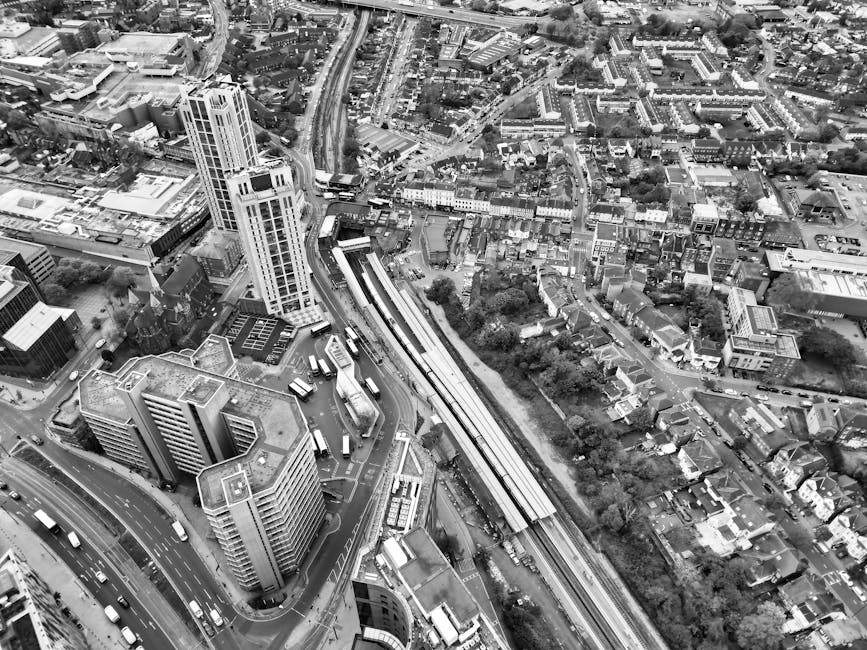
If you live in a flat near East Croydon station, rubbish can pile up faster than you expect. One bag becomes three, the spare chair becomes a hallway obstacle, and before long you are looking at a staircase, a tight landing, and not much time to deal with it. These East Croydon station flat rubbish removal tips are written for exactly that kind of real-life situation: busy flats, awkward access, shared entrances, and the need to clear waste without making a mess of the building or your day.
This guide walks through how flat rubbish removal works in the area, what usually causes problems, and how to make the process easier whether you are clearing a few bulky items or sorting a bigger flat tidy-up. You will also find local-minded advice on access, recycling, timing, and the small details that matter when you are living close to a major transport hub. Let's face it, nobody wants to drag a broken wardrobe through a narrow stairwell at 7.30 in the morning.
- Why it matters
- How it works
- Key benefits and practical advantages
- Who this is for
- Step-by-step guidance
- Expert tips
- Common mistakes to avoid
- Tools, resources and recommendations
- Law, compliance, standards, and best practice
- Options, methods, or comparison table
- Case study or real-world example
- Practical checklist
- Conclusion
- Frequently asked questions
Why East Croydon station flat rubbish removal tips Matters
Flat rubbish removal around East Croydon station is not just about making things look tidy. In a station-heavy part of Croydon, people move quickly, parking is often limited, access can be awkward, and shared spaces need a bit more care than a house driveway would. A poor rubbish clearance job can block stairwells, annoy neighbours, create odours, or leave bags sitting around longer than they should.
That matters even more in flats because waste is usually stored closer to communal areas. A small lapse can affect everyone in the building. If you have ever carried old boxes down a hot stairwell while someone is coming up with shopping and a pram, you will know the feeling. It is a tiny logistical puzzle, but still a puzzle.
There is also the practical side of value and habitability. For landlords, tenants, buyers, and sellers, a clean flat is easier to manage and often easier to present. If you are thinking about property in the area, local housing considerations are worth keeping in mind too; some readers find it useful to look at the Croydon housing market and a smart buyer's guide to Croydon real estate alongside rubbish clearance planning.
In short: good flat rubbish removal helps with safety, space, neighbourly relations, and sanity. That last one counts more than people admit.
How East Croydon station flat rubbish removal tips Works
The basic process is simple: sort the waste, identify what needs to go, decide whether you can carry it out yourself, and then use the right removal method. The real challenge is in the details. Flats near East Croydon station often have shared access points, limited kerb space, and timing issues that make a normal "put it outside and forget it" approach messy or even impossible.
Most flat rubbish removal jobs fall into one of a few categories:
- General household rubbish such as black bags, packaging, broken household bits, and old storage clutter.
- Bulky items like mattresses, wardrobes, sofas, desks, or white goods.
- Clear-out waste from a move, refurb, tenancy changeover, or long-overdue declutter.
- Mixed waste where recyclable items, furniture, and non-recyclables are all tangled together.
In a flat, the removal method usually has to account for stairs, lifts, loading bays, neighbour access, and building rules. That is why planning matters. The difference between a smooth job and a frustrating one is often just ten minutes of prep.
For larger clearances, it can help to think beyond "rubbish" and consider whether the job is closer to a waste clearance, a furniture disposal job, or even part of a wider house clearance style clean-out. The right framing saves time and avoids overdoing the job.
Key Benefits and Practical Advantages
Good rubbish removal is not glamorous, but it does make life easier in a very direct way. If you are dealing with a flat near East Croydon station, these are the advantages that matter most.
- More usable space: You get hallways, cupboards, and corners back again.
- Less stress: A clear flat feels calmer, especially if you work long hours or travel through the station every day.
- Better access: Stairs, lifts, and entrances stay easier to use for everyone.
- Reduced trip hazards: Old boxes, loose cables, and awkward furniture stop becoming obstacles.
- Cleaner shared areas: No smell, no spillages, no mystery pile-up near the bins.
- More efficient move-outs or refurbishments: A flat is simply easier to hand over or re-settle when waste is removed early.
There is also a psychological benefit that people underestimate. A flat with one clear corner and one clear floor path already feels different. You stand there and think, right, this is manageable. Not perfect, but manageable. That is often the turning point.
Who This Is For and When It Makes Sense
These tips are useful for a wide mix of people, not just those doing a big spring clean. In fact, many rubbish problems start small and ordinary.
- Tenants who need to clear out before check-out day.
- Landlords and letting agents preparing a flat between occupiers.
- Homeowners who have let clutter drift into every spare metre.
- Buyers and sellers wanting a flat to look clean and presentable before photos, viewings, or completion.
- People replacing furniture and needing the old sofa, bed, or wardrobe removed.
- Remote workers who suddenly realise the spare room has turned into a storage unit. Happens more than you'd think.
It makes sense to act early if waste is starting to block corridors, if your building has strict rules about bins, or if you are stacking bags in a tiny flat with no spare storage. A cluttered flat near East Croydon station can go from "a bit messy" to "hard to live in" very quickly, especially when there is rain, takeaway packaging, and not enough ventilation. A classic London combo.
Step-by-Step Guidance
Here is a sensible way to handle flat rubbish removal without overcomplicating it.
- Walk the flat and make three piles. Keep, recycle, remove. Be ruthless but realistic. If you have not used it in a year and it is not sentimental, it probably does not need to stay.
- Identify the awkward items. Bulky furniture, broken appliances, mirrored glass, paint tins, or anything damp or dirty needs special thought.
- Check access before moving anything. Measure lifts, look at stair turns, and note if doors need protecting. One awkward wardrobe can become a full-blown event.
- Separate recyclables where possible. Cardboard, metal, textiles, and clean wood are easier to handle when they are not mixed into a single bag of everything.
- Bag and label small waste. Keep bags tied and manageable. Overfilled bags split at exactly the wrong time. Always.
- Move lighter items first. Clear the path before shifting bulky things. You want an easy exit route, not a pile-up in the hall.
- Decide whether the load needs a professional collection. If the waste is heavy, awkward, or too much for one trip, do not force it.
- Protect shared areas. Use sheets, cardboard, or careful lifting techniques to avoid scuffed walls and damaged flooring.
- Finish with a final sweep. Check under beds, behind radiators, and inside cupboards. Weird things hide there. Pens, cables, the odd missing charger.
If the waste includes a lot of furniture, it may be more efficient to treat it as furniture disposal in Croydon rather than general rubbish. If it is a bigger overall clear-out, the broader approach described in the services overview can help you match the job to the right solution.
Expert Tips for Better Results
Small decisions make a big difference in flats. That is the honest truth.
1. Time your clearance around the building's rhythm. Early mornings can be quieter, but they are not always ideal if people are sleeping in or the lift is heavily used. Late afternoon may be busier. Pick a window when hallways are calmer and your exit route is clear.
2. Sort before you carry. It sounds obvious, yet people often start moving items first and sorting later. That is backwards. A bag of mixed junk is harder to move, harder to assess, and harder to recycle properly.
3. Keep a "maybe" box. If you are unsure about certain items, put them aside. Do not let uncertainty slow down the whole clearance. Come back to the maybe box after the main job is done.
4. Watch for lift limits and stair bottlenecks. A flat near East Croydon station may have decent transport links outside, but the building itself can still be a pain. If an item barely fits, it is not a fit. Don't wrestle with it for half an hour.
5. Take photos of bulky items before removal. This is useful for record-keeping, especially in rented properties or when you want to note condition before disposal. Nothing fancy, just practical.
6. Plan for smell and dust. Old carpets, damp cardboard, and forgotten food packaging can all create a nasty surprise. Open windows if you can, and avoid leaving waste bags sitting inside longer than necessary.
For people balancing costs, the article on CR0 rubbish clearance costs and a local price guide is a helpful next read. It gives a useful sense of how different jobs are usually thought about without overcomplicating things.
Common Mistakes to Avoid
Most rubbish-clearance mistakes are boring, predictable, and completely avoidable. Which is annoying, but also good news.
- Leaving waste in the hallway: Shared areas are not storage. They become hazards fast.
- Underestimating bulky items: A single mattress or wardrobe can take far more planning than a stack of bags.
- Mixing everything together: Recyclable material loses value when it is all thrown in one load.
- Ignoring building rules: Some blocks have very specific expectations about waste, noise, and access. Check first.
- Blocking fire routes: This should go without saying, but it does happen.
- Forgetting hidden rubbish: Cupboards, loft hatches, balcony storage, under-bed space - the usual hiding places.
- Trying to do too much in one go: A long clearing day without a plan turns into dragging, sweating, and swearing under your breath. Not ideal.
One of the biggest mistakes is assuming "it will be fine for now." In a flat, "for now" has a funny way of becoming a week, then a month. Better to deal with the pile while it is still small enough to manage.
Tools, Resources and Recommendations
You do not need a van full of specialist kit to remove rubbish from a flat, but a few basic tools make the process smoother.
- Strong bags or rubble sacks: Better for heavy mixed waste than thin carrier bags.
- Gloves: Useful for sharp packaging, splinters, and general grime.
- Tape and labels: Good for bundling wires, marking bags, or grouping similar waste.
- Furniture sliders or a dolly: Handy for heavier items, if the building layout allows it.
- Blankets or cardboard sheets: Useful for protecting walls, corners, and floors.
- Measuring tape: A tiny tool, but essential when a sofa is "probably fine" until it reaches the stair bend.
On the planning side, a few website resources can help you think through the broader job. If you are comparing services, rubbish collection in Croydon is a sensible place to start. If you want a wider view of the company and what it handles, the about page is useful. And if your clear-out sits alongside wider sustainability concerns, the page on recycling and sustainability helps frame the greener approach.
A small local aside: if your flat is close to the station, you may be living in a very fast-moving part of Croydon. The area has its own rhythm, and it can help to understand the surrounding neighbourhood context too. Readers often enjoy a local's guide to this Croydon neighbourhood or even local opinions on life in Croydon when they are thinking about the bigger picture.
Law, Compliance, Standards, or Best Practice
For rubbish removal in flats, the main legal and practical point is simple: waste should be handled responsibly, and you should be careful about who removes it. If someone is taking waste away on your behalf, it is sensible to use a reputable operator and keep an eye on basic duty-of-care expectations. In plain English, that means you should not hand rubbish to someone who looks unprepared, uninsured, or vague about what happens next.
Flat owners, tenants, and landlords also need to pay attention to building rules. Some blocks prohibit leaving bags in communal areas, some require lift protection, and some need prior notice for bulky removals. These are not glamorous details, but they matter a lot in practice.
There are a few best-practice habits worth following every time:
- Do not block fire exits, corridors, or shared entrances.
- Separate recyclable and non-recyclable material where possible.
- Keep hazardous items apart from ordinary household waste.
- Use safe lifting technique and ask for help when something is too heavy or awkward.
- Choose a removal method that suits the building, not just the waste pile.
If the flat includes renovation waste, paint, plasterboard, or similar materials, the job can become more sensitive. In that case, a specialist approach may be better, and a page like builders waste disposal in Croydon can be relevant. That is especially true during refurbishments or after fitting work.
You should also keep payment and service terms clear. A little boring, yes, but it saves headaches later. For trust and housekeeping, it is worth reviewing payment and security and terms and conditions before booking anything important.
Options, Methods, or Comparison Table
There is no single best way to clear rubbish from a flat. The right method depends on the volume, the access, and how much time you have. Here is a straightforward comparison.
| Method | Best for | Pros | Watch-outs |
|---|---|---|---|
| Self-carry to bin store or tip point | Small amounts of bagged waste | Low cost, immediate, simple if access is easy | Time-consuming, tiring, poor for bulky items |
| Bulk item removal with help | Sofas, beds, wardrobes, desks | Good for one-off heavy items | Needs planning, lifting care, and enough space |
| Professional rubbish collection | Mixed waste, awkward access, larger clear-outs | Fast, tidy, usually better for flat logistics | Costs more than DIY and needs good booking details |
| Part-clearance and staged removal | Longer declutters or moving prep | Less overwhelming, easier to sort properly | Takes more than one visit or session |
For many East Croydon flats, the middle ground is the smartest: sort first, remove the obvious small waste yourself, then book support for the bulky or messy remainder. It keeps the job sensible. No drama.
Case Study or Real-World Example
A common scenario near East Croydon station is the end-of-tenancy clear-out. Imagine a one-bedroom flat with a broken chair, two old shelves, a mattress bag, several bin bags, and assorted packaging from replacing furniture. Nothing outrageous, but enough to make the hallway feel cramped.
The resident starts by sorting everything into keep, donate, recycle, and remove. Cardboard goes one way, old textiles another, and the broken furniture is measured before being moved. That last step is the one people skip, and then they end up trying to bend a wardrobe around a corner like they are solving a puzzle in real time.
Because the block has a shared entrance and a small lift, the removal is planned for a quieter time of day. The resident protects the lift floor with cardboard, brings items down one at a time, and keeps the corridor clear. The result is not just a cleaner flat, but less friction with neighbours and less chance of damage to common areas.
Practical takeaway: In a flat near East Croydon station, the cleanest rubbish removal jobs are usually the ones that are planned around the building, not just the waste itself.
That is the real lesson. The waste matters, yes. But the route out of the flat matters too.
Practical Checklist
Use this checklist before you start moving anything heavy or awkward.
- Have I sorted keep, recycle, and remove items?
- Do I know which items are bulky, fragile, or potentially hazardous?
- Have I checked lift size, stair access, and any building rules?
- Have I cleared a safe route from the flat to the exit?
- Do I have bags, gloves, tape, and basic protection for floors or walls?
- Have I planned a sensible time to remove the waste?
- Do I need help with heavy items?
- Have I separated recyclables where possible?
- Have I identified anything that should not go in general rubbish?
- Do I know whether this is a small job, a furniture removal, or a bigger clearance?
If you can tick most of those boxes, the job is already half done. Seriously. Half the stress disappears once the plan is clear.
Conclusion
Rubbish removal from a flat near East Croydon station does not need to become a weekend disaster. With a bit of sorting, some attention to access, and the right method for the waste you actually have, the whole process becomes much easier to manage. The key is to treat it as a building-aware task, not just a bin-day task.
These East Croydon station flat rubbish removal tips are really about making life simpler: less clutter, less hassle, less chance of turning a small clear-out into a bigger headache. If you are moving, renovating, letting, or just trying to reclaim the corner behind the sofa, a calm, planned approach will always beat a rushed one. And if you need broader help beyond a few bags, there are sensible options for collections, furniture disposal, and larger clearances that can take the pressure off.
Get a free quote today and see how much you can save.
Sometimes the hardest part is simply starting. Once you do, the room feels lighter, and so do you.
 Tipper Van - Rubbish Removal and Waste Collection Prices in Croydon, CR0
 Luton Van - Rubbish Removal and Waste Collection Prices in Croydon, CR0

